

Need for Apartment Homes in Arizona
Explore Arizona’s current apartment demand, projected housing need, and statewide data.
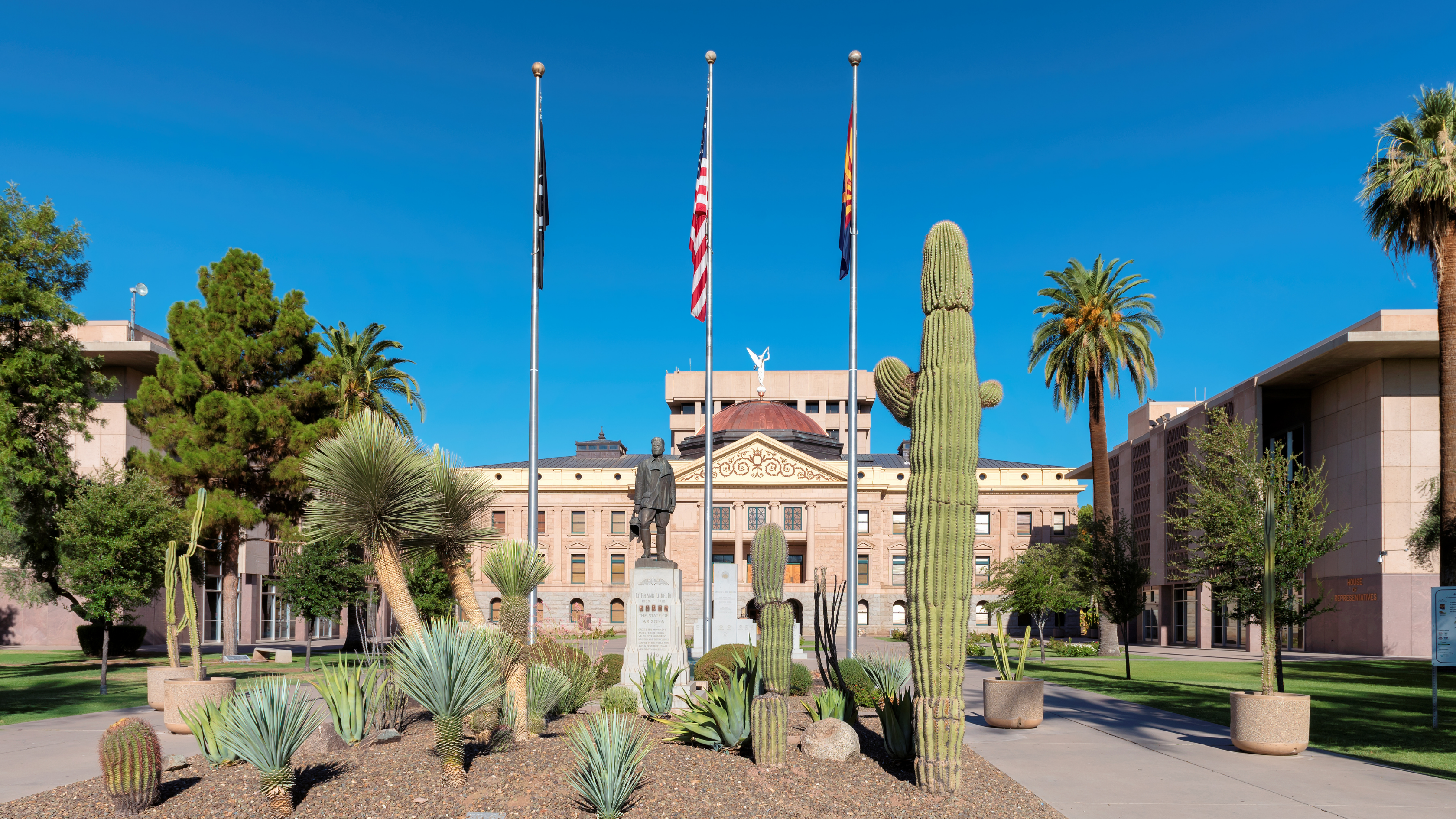
Explore Arizona Data → - opens in a new tab - opens in a new tabAMA fights harmful legislation, protects private property rights, supports policies that increase housing supply, and gives members a unified voice at the Arizona Capitol, in city halls, and in Washington, D.C.
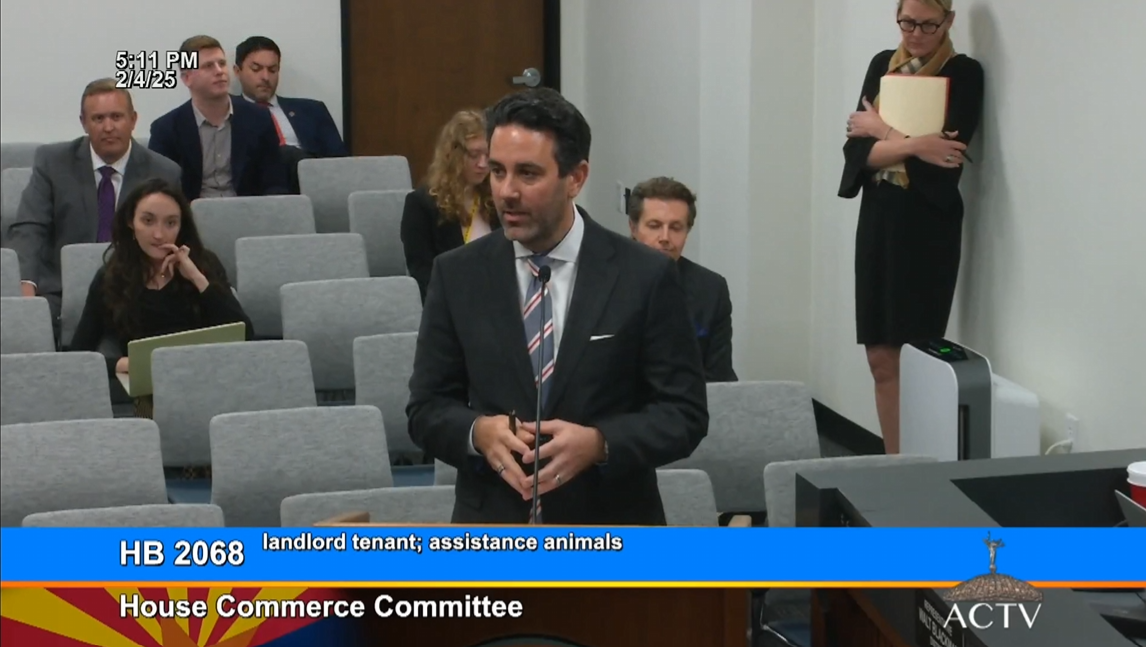
Laws passed at the Arizona Capitol, in city halls, and in Washington can affect housing supply, operations, costs, and resident services. AMA makes sure policymakers understand how those decisions work beyond the bill language.
Flip each card to see how AMA advocacy supports members throughout Arizona.
Advocacy only matters to large owners.
Legislation affects owners, operators, developers, suppliers, onsite teams, and residents across the rental housing ecosystem.
AMA only gets involved during elections.
AMA monitors legislation, works with agencies, meets with lawmakers, and prepares strategy year-round.
One email from a member does not make a difference.
Lawmakers listen closely to constituents. A quick message can reinforce testimony, committee work, and Arizona Capitol meetings.
AMA turns member experience into policy strategy, lawmaker education, coalition work, and direct action when bills affect Arizona rental housing.
Members surface emerging concerns through committees, surveys, calls, events, and conversations with AMA staff.
Government affairs staff review bill language, assess risk, draft solutions, and coordinate with lobbyists and partners.
Action alerts, testimony, meetings, and constituent outreach give lawmakers real-world context from the industry.
Members receive updates on wins, losses, threats, bill movement, and what to expect next.
A quick view of AMA’s core policy priorities. Members who want the details can download the full agenda.
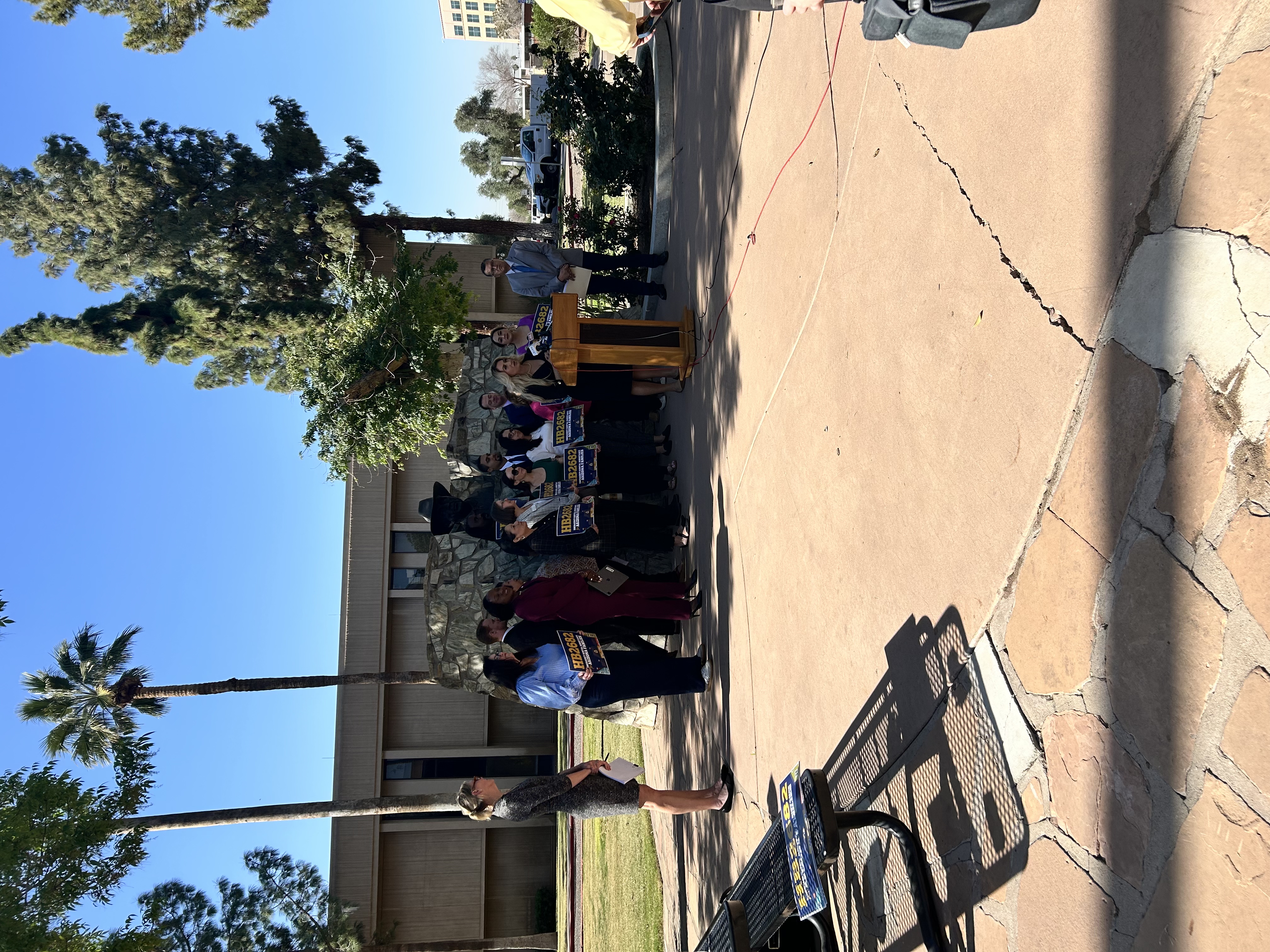
AMA monitors the issues that can affect how rental housing is built, owned, managed, financed, and regulated across Arizona.
Follow the latest legislative updates, track bills that affect rental housing, and stay aware of key election dates for the 2026 cycle.
AMA keeps members informed throughout the legislative session with weekly updates, bill tracking, and summaries of major outcomes.
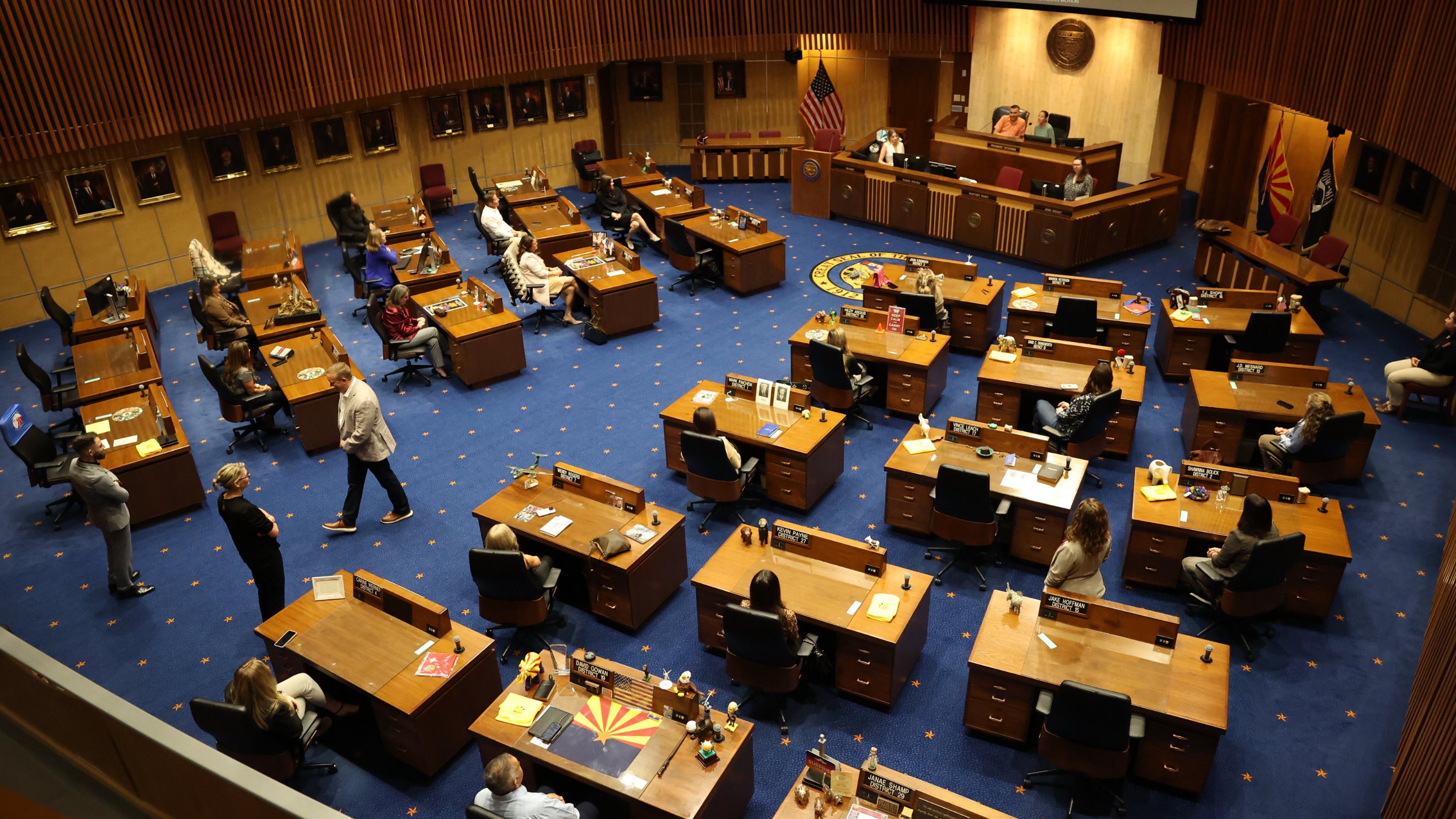
Important dates for voter registration, early voting, and Election Day.
Start with a topic below, then follow its story through the basics, the process, the data, AMA’s position, and supporting resources. The full educational content from the original page remains available in each chapter.
Rent control is often presented as a simple affordability tool. The long-term challenge is that price caps can discourage new housing investment, reduce maintenance, and make it harder for growing communities to meet demand.
For someone learning the issue, the appeal is understandable: rents are rising, households feel pressure, and a cap sounds like a clear way to slow the pain. The policy question is what happens after the first headline.

When a resident falls behind or a lease issue comes up, housing providers usually try to communicate, understand what happened, and work toward resolution. Eviction is the final legal step only when an issue remains unresolved.
Click through the pathway to see how communication and resolution come first.
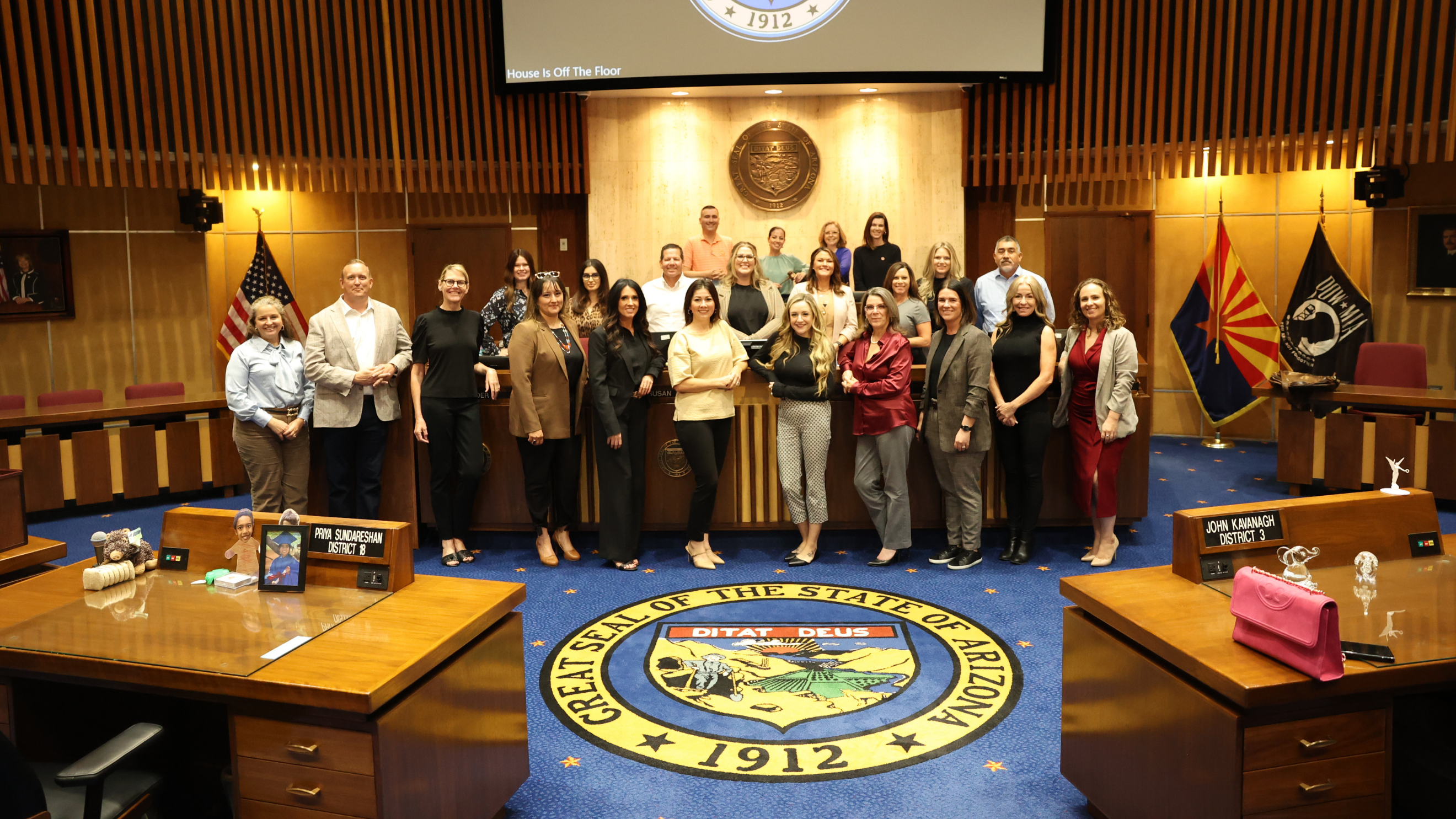
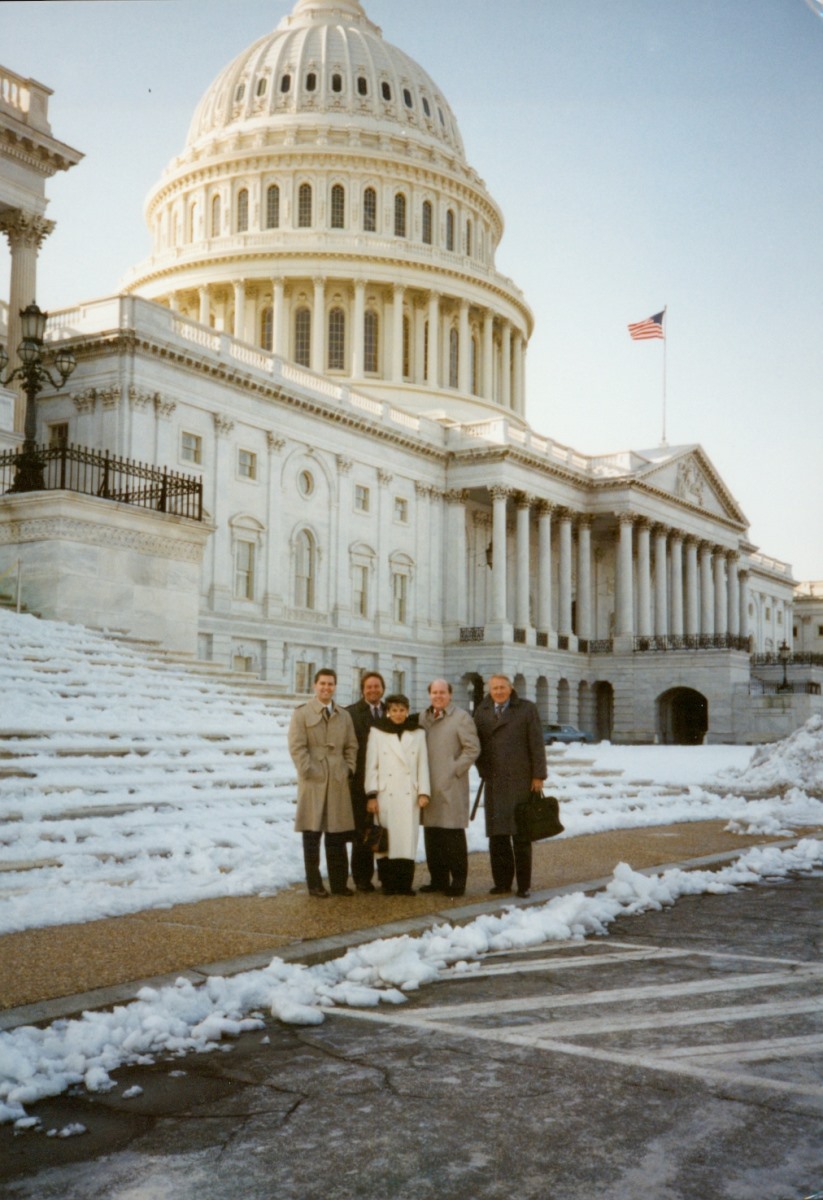
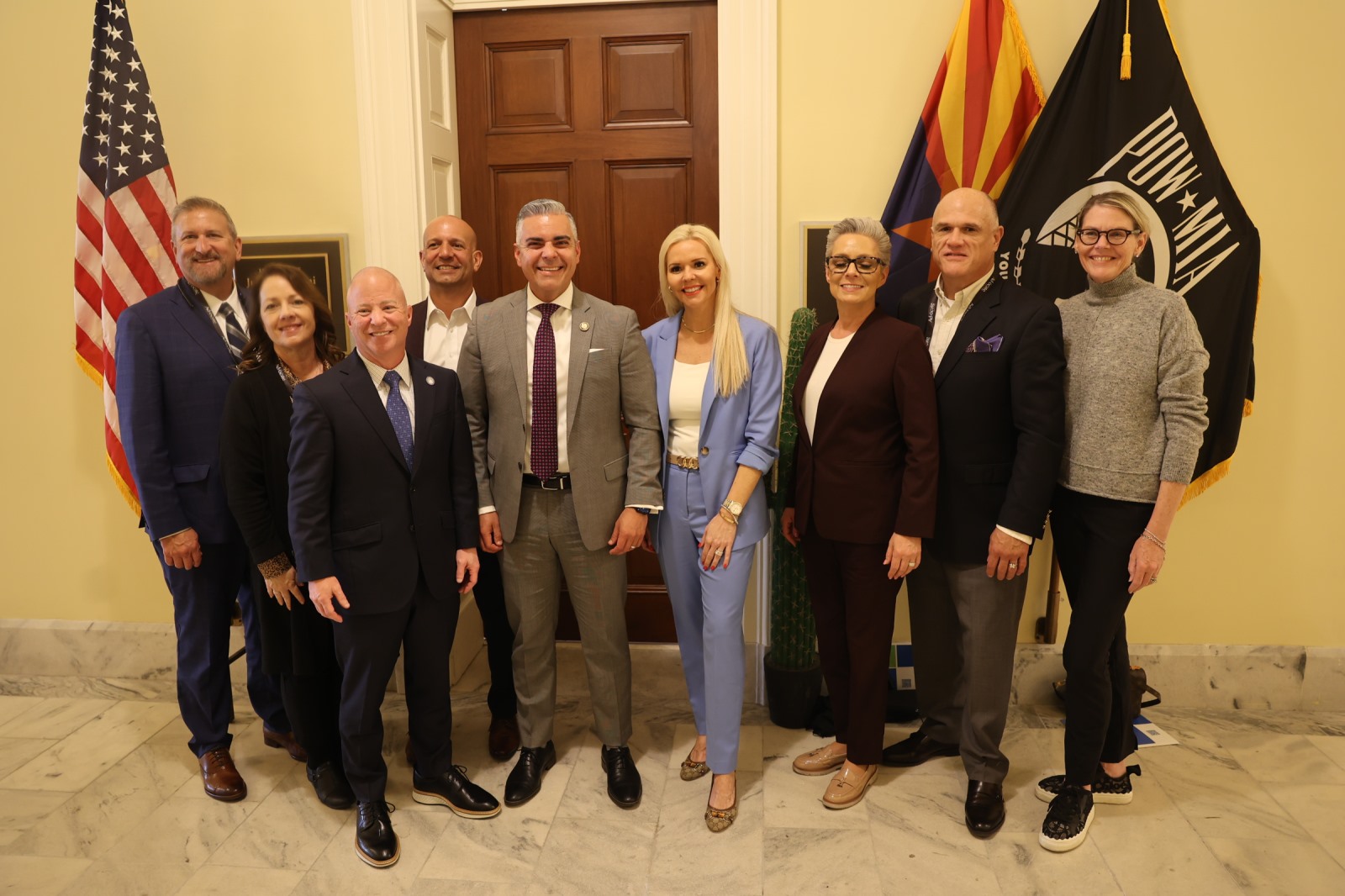
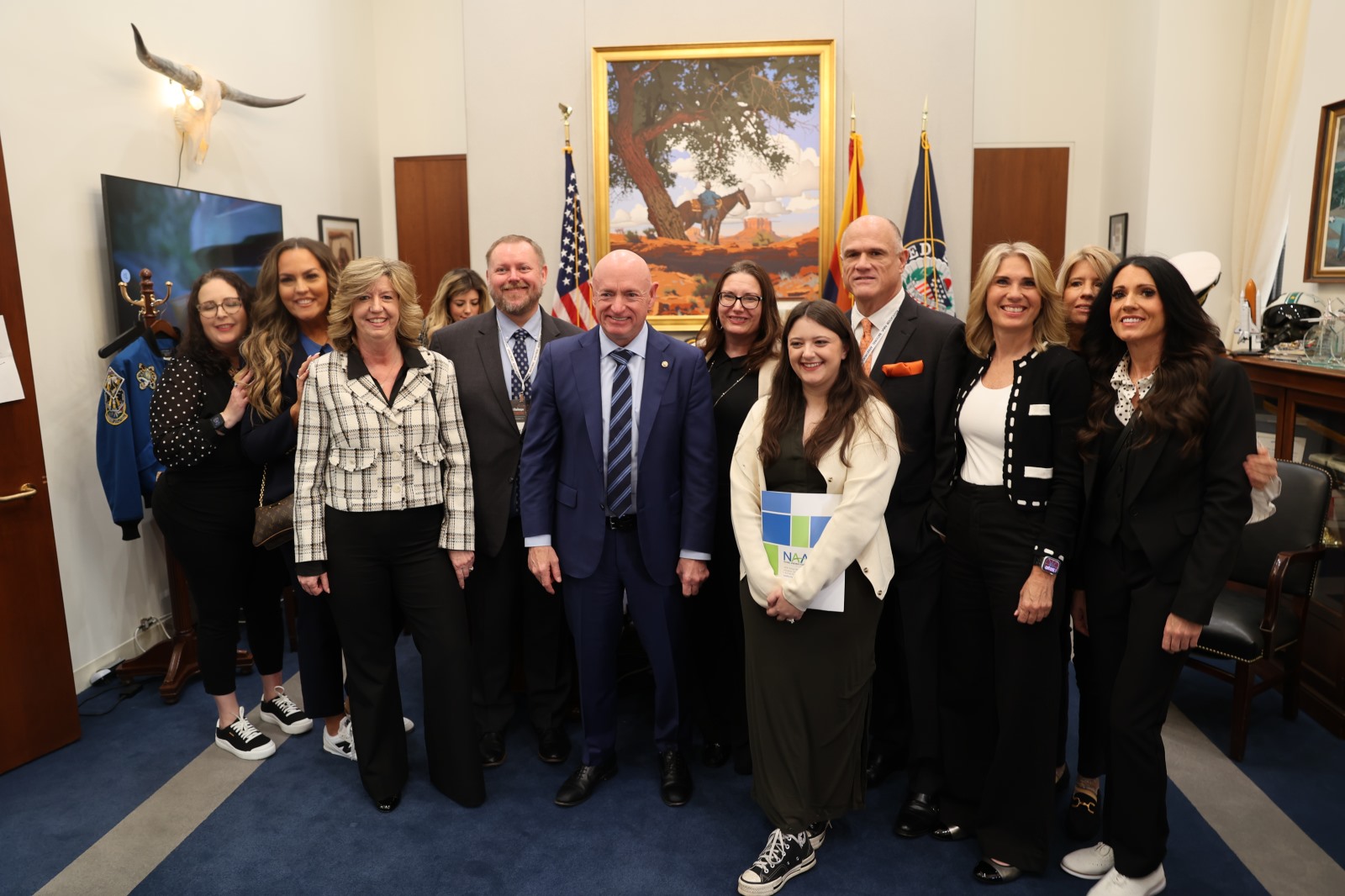
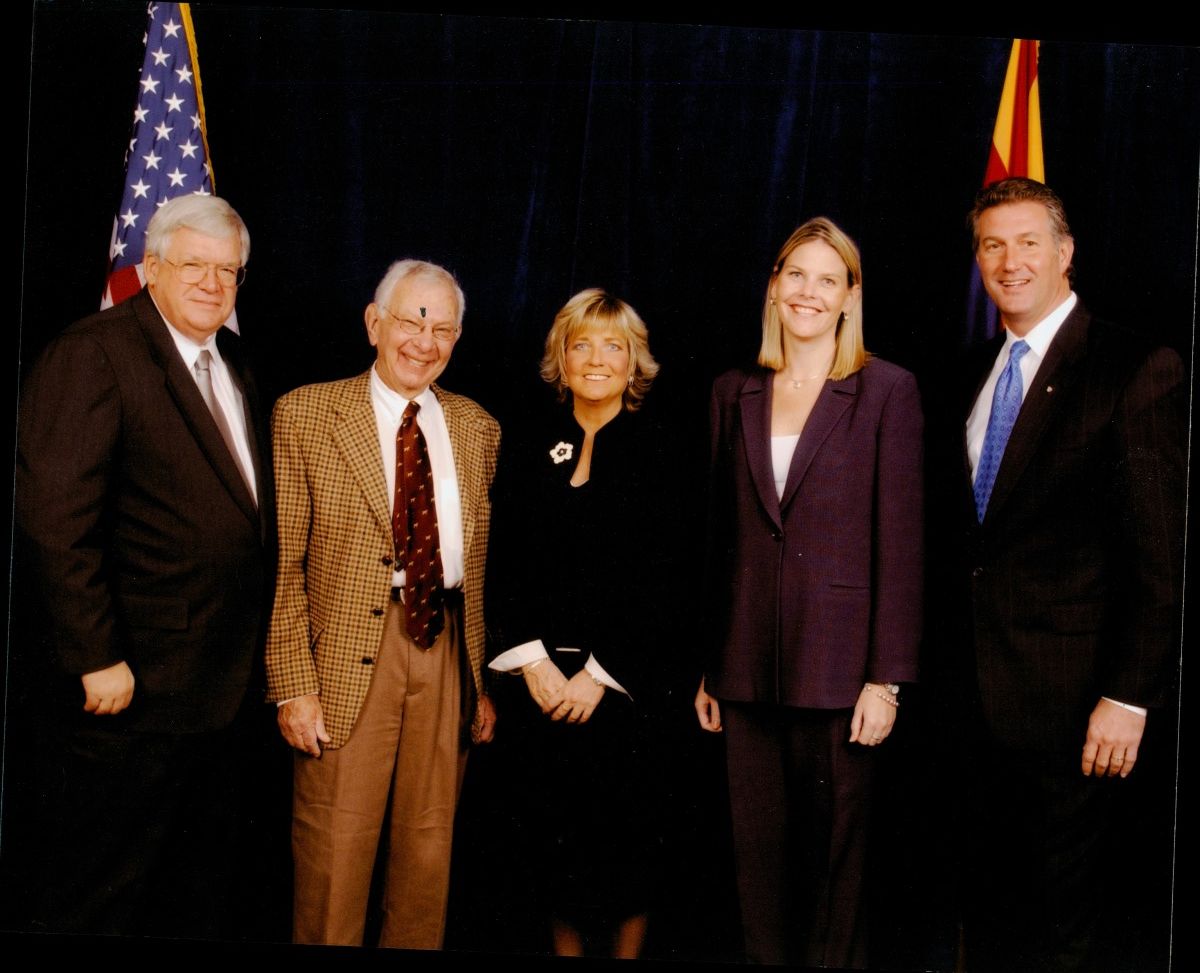
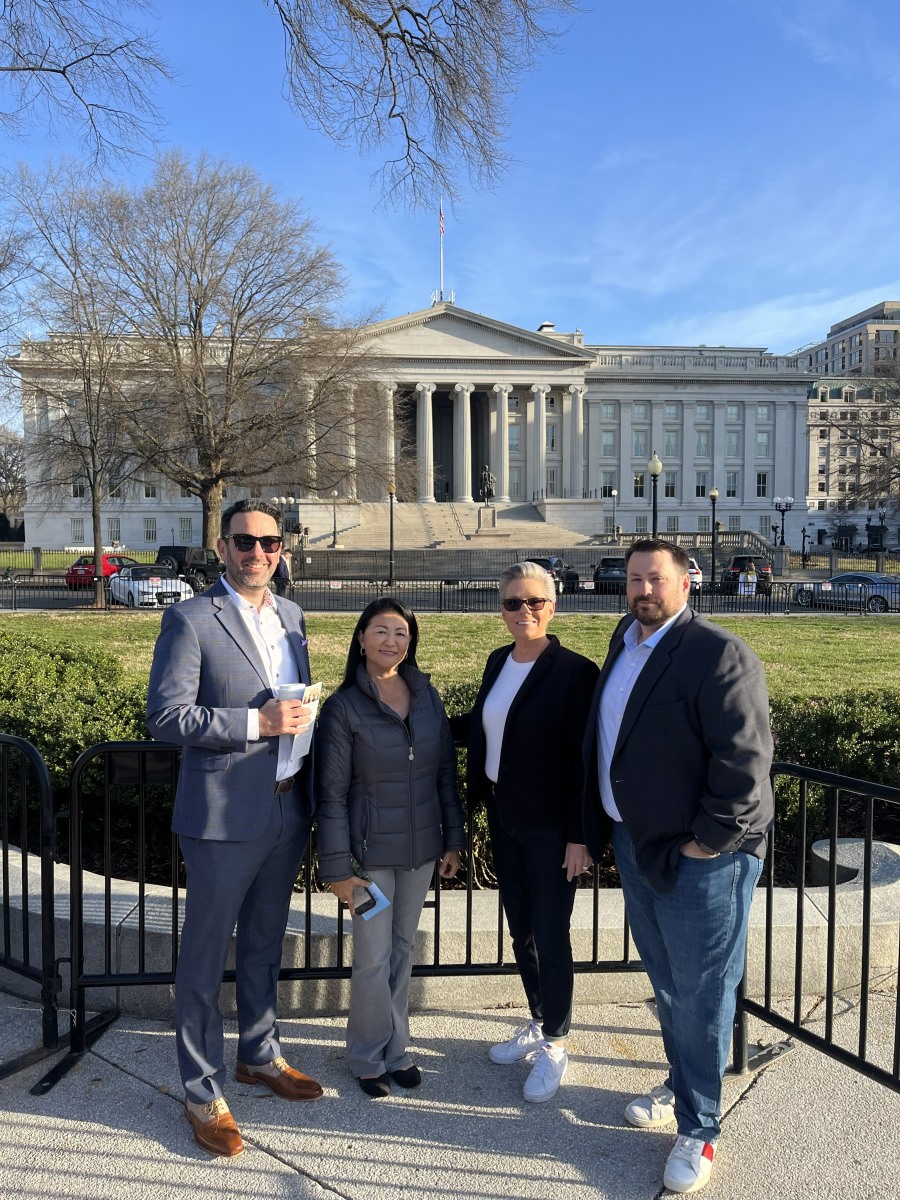
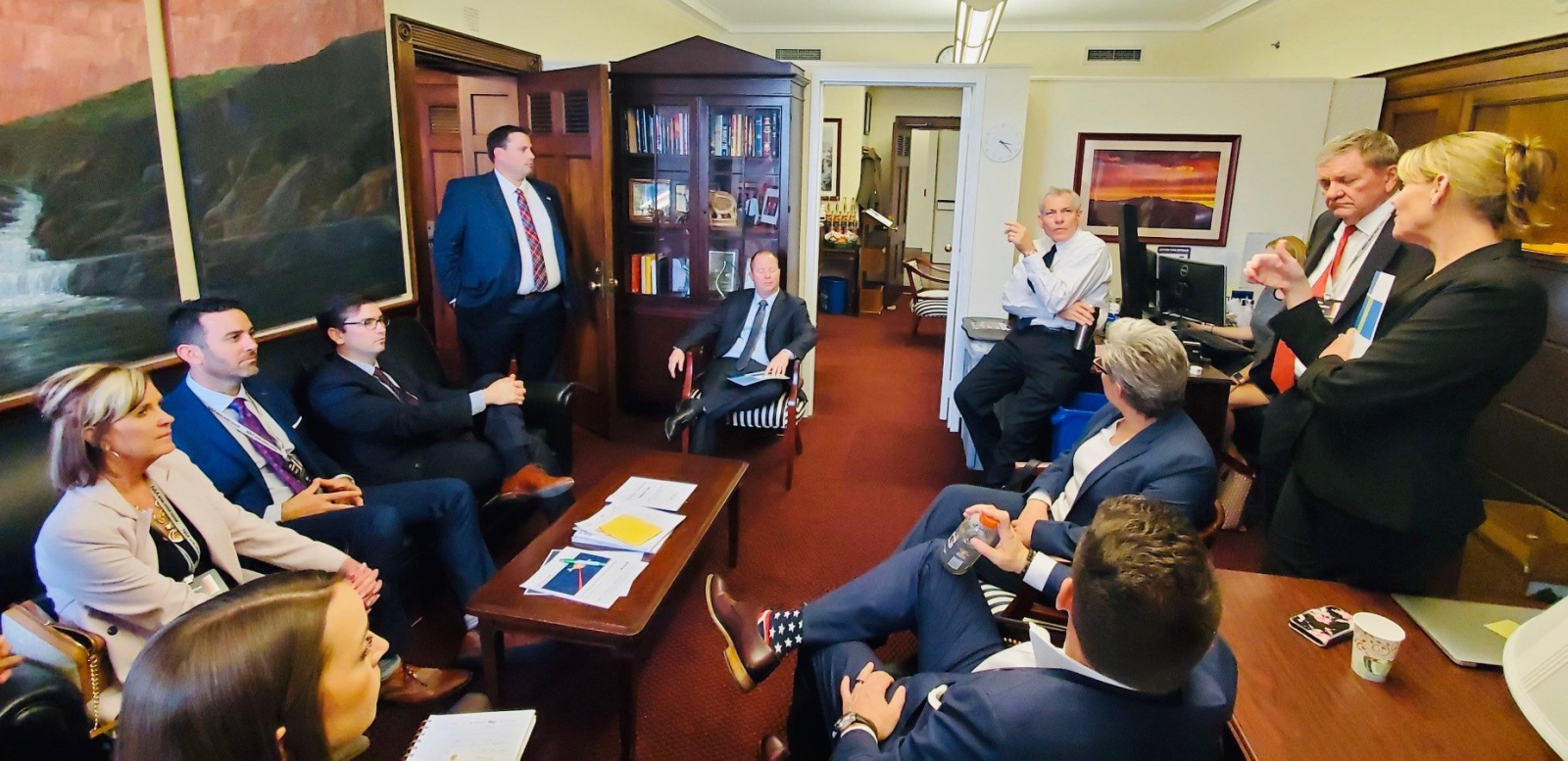
Every year, AMA members and delegates travel to Washington, D.C. to meet directly with Arizona’s federal elected leaders and their teams.
Advocate is a chance to sit down with the people who represent Arizona and talk through the housing challenges impacting our communities.
In 2026, AMA delegates and members were on Capitol Hill meeting face to face with both of Arizona’s senators and representatives from all nine congressional districts.
Across National Apartment Association affiliates, more than 900 members participated in 300+ meetings. AMA’s group met with 11 offices in one day, giving Arizona’s rental housing industry a strong voice in federal housing conversations.
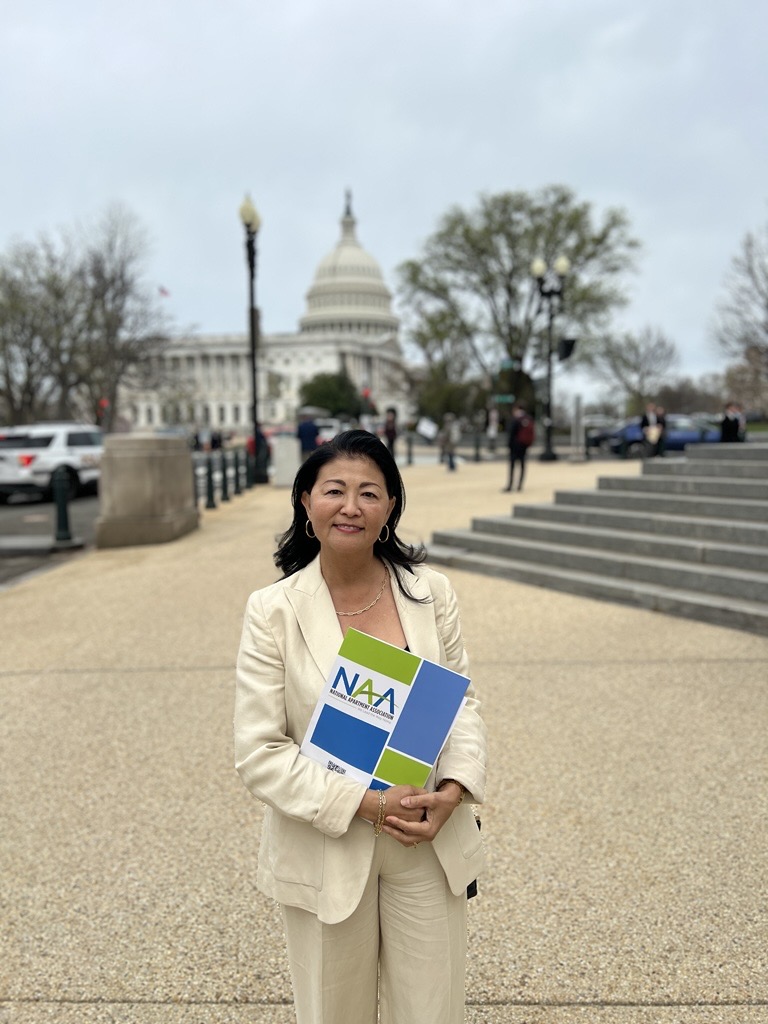
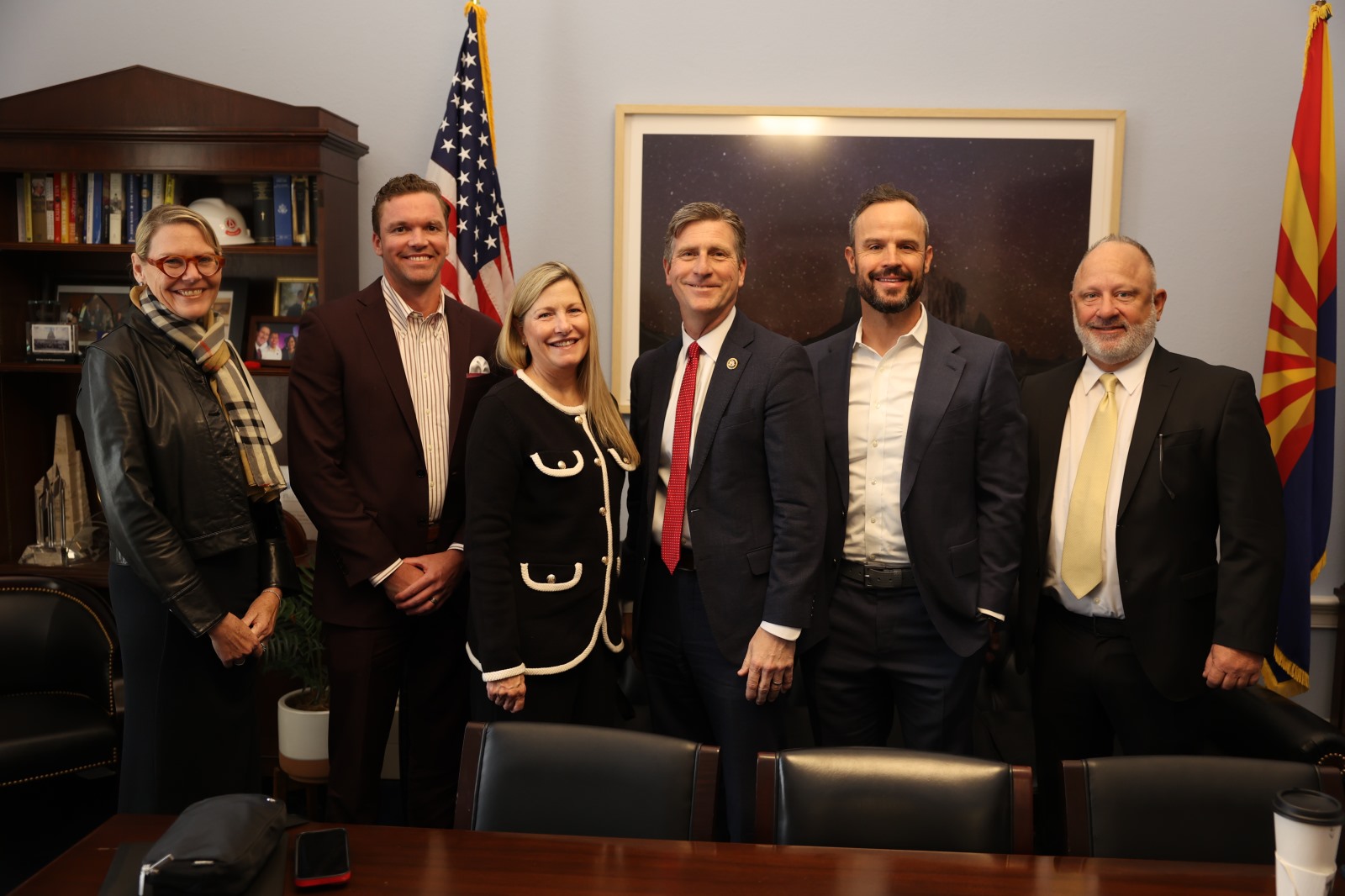

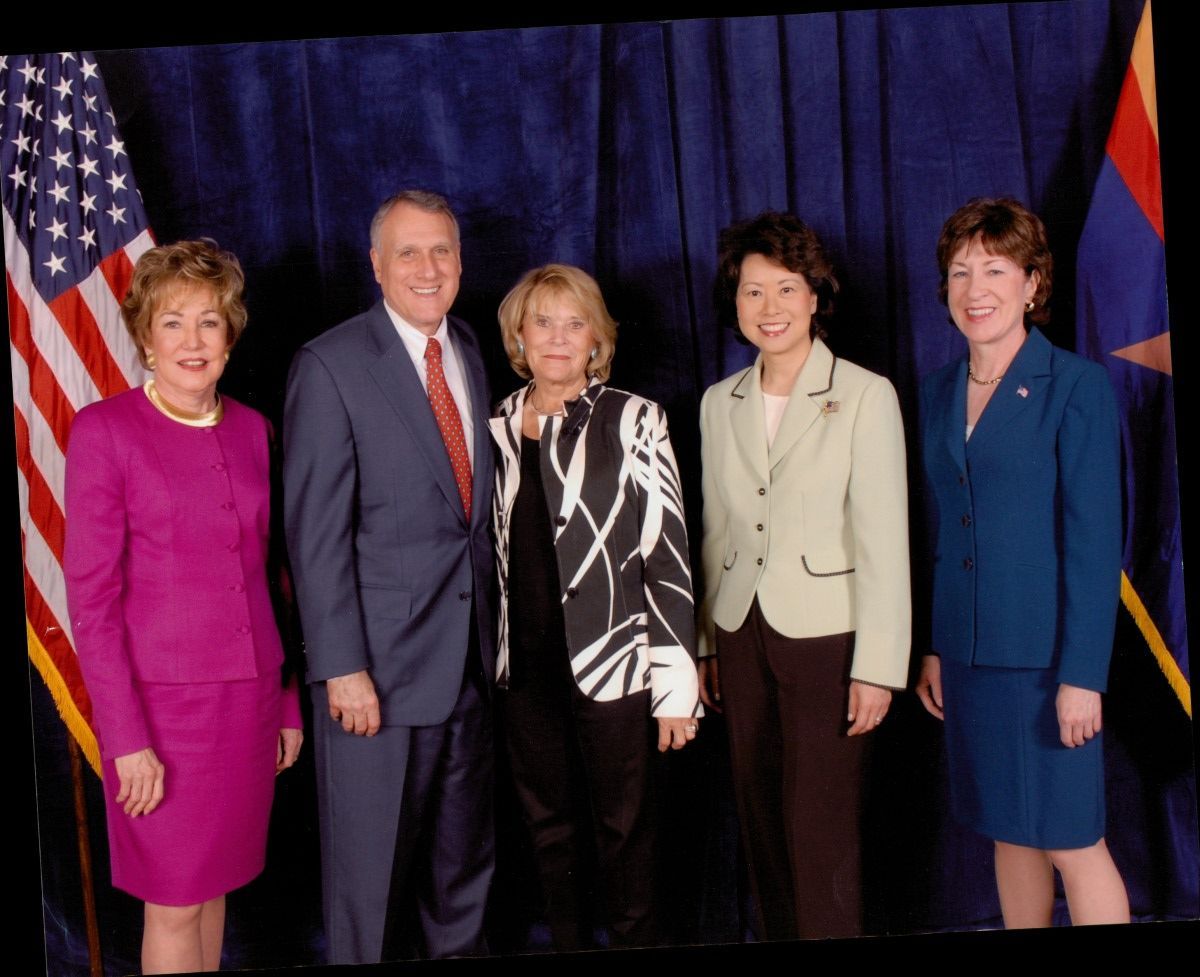
Use the individual Board Delegate clips here. Each answer can remain short, personal, and easy to watch without adding another long section to the page.
Add the delegate’s name, company, short quote, and video link or embed here.
Add the delegate’s name, company, short quote, and video link or embed here.
Add the delegate’s name, company, short quote, and video link or embed here.
This expandable list can grow without increasing the default page length.
AMAPAC and the Better Government Fund help the apartment industry maintain a strong voice at the Arizona Capitol and in city halls across Arizona.
The Arizona Multihousing Association Political Action Committee raises funds to support elected leaders who are open and receptive to apartment industry issues.
Cannot accept corporate contributions. Contributions are not tax deductible.
Contribute to AMAPAC - opens in a new tab - opens in a new tabAMA BGF is used for legal defense, independent support of candidates and initiatives, and policies that strengthen Arizona’s apartment industry.
AMA BGF can accept corporate contributions.
Contribute to BGF - opens in a new tab - opens in a new tabAMA advocacy has helped advance housing opportunity, reduce barriers to development, and protect stable rental housing across Arizona for decades.
The tabs keep State, Local, and Federal materials together while leaving room to add future fact sheets, policy statements, AMA articles, videos, and issue updates.
Explore Arizona’s current apartment demand, projected housing need, and statewide data.
Explore Arizona Data → - opens in a new tab - opens in a new tabEnter an address to identify elected officials and legislative districts.
Find Your Officials → - opens in a new tab - opens in a new tabAccess Arizona voter-registration information through the Secretary of State.
Register or Learn More → - opens in a new tab - opens in a new tabReview AMA’s current priorities for housing supply, property rights, taxes, fees, and regulation.
View the Agenda → - opens in a new tab - opens in a new tabPlaceholder for local ordinances, zoning proposals, development rules, and city-specific alerts.
Add AMA Resource →Placeholder for Phoenix, Tucson, Prescott, and other local coalition materials and meetings.
Add Coalition Resource →Placeholder for AMA voter guides, candidate information, and local election deadlines.
Add Election Resource →Placeholder for AMA articles, policy statements, and fact sheets about local housing development.
Add Development Resource →See how each dollar of rent supports payroll, maintenance, taxes, insurance, financing, and operations.
Explore the Dollar of Rent → - opens in a new tab - opens in a new tabReview National Apartment Association federal priorities, research, and advocacy tools.
View NAA Advocacy → - opens in a new tab - opens in a new tabUse the Arizona lookup tool to identify congressional representatives and senators.
Find Your Officials → - opens in a new tab - opens in a new tabLearn more about the national conference where apartment professionals meet directly with members of Congress.
Learn More → - opens in a new tab - opens in a new tabThese answers provide a quick entry point for members who are new to advocacy. The full policy chapters and resource center remain available for deeper learning.
The most effective advocacy happens when members are informed, ready, and willing to share how policy affects their communities.
Get notified when AMA needs members to contact legislators. A two-minute message can matter.
Sign upIdentify your state senator and representative, plus direct contact information for their Arizona Capitol offices.
Look up - opens in a new tab - opens in a new tabSupport pro-housing candidates at the state and local level through AMA’s Political Action Committee.
Contribute - opens in a new tab - opens in a new tabAccess the 2026 Public Policy Agenda and issue fact sheets.
Download - opens in a new tab - opens in a new tabWhether you own, manage, develop, or support rental housing, AMA advocacy works every day to protect Arizona’s housing industry.