

July 2026 | The Book Nook: Where Multifamily Minds Meet
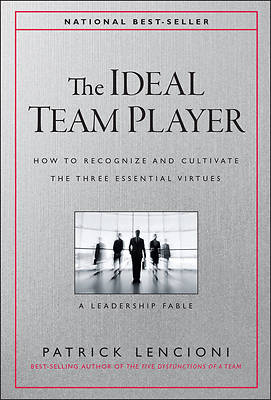
The Ideal Team Player
Book Details
Author: Patrick Lencioni
Published: 2016
Pages: 240
Why I Recommend It
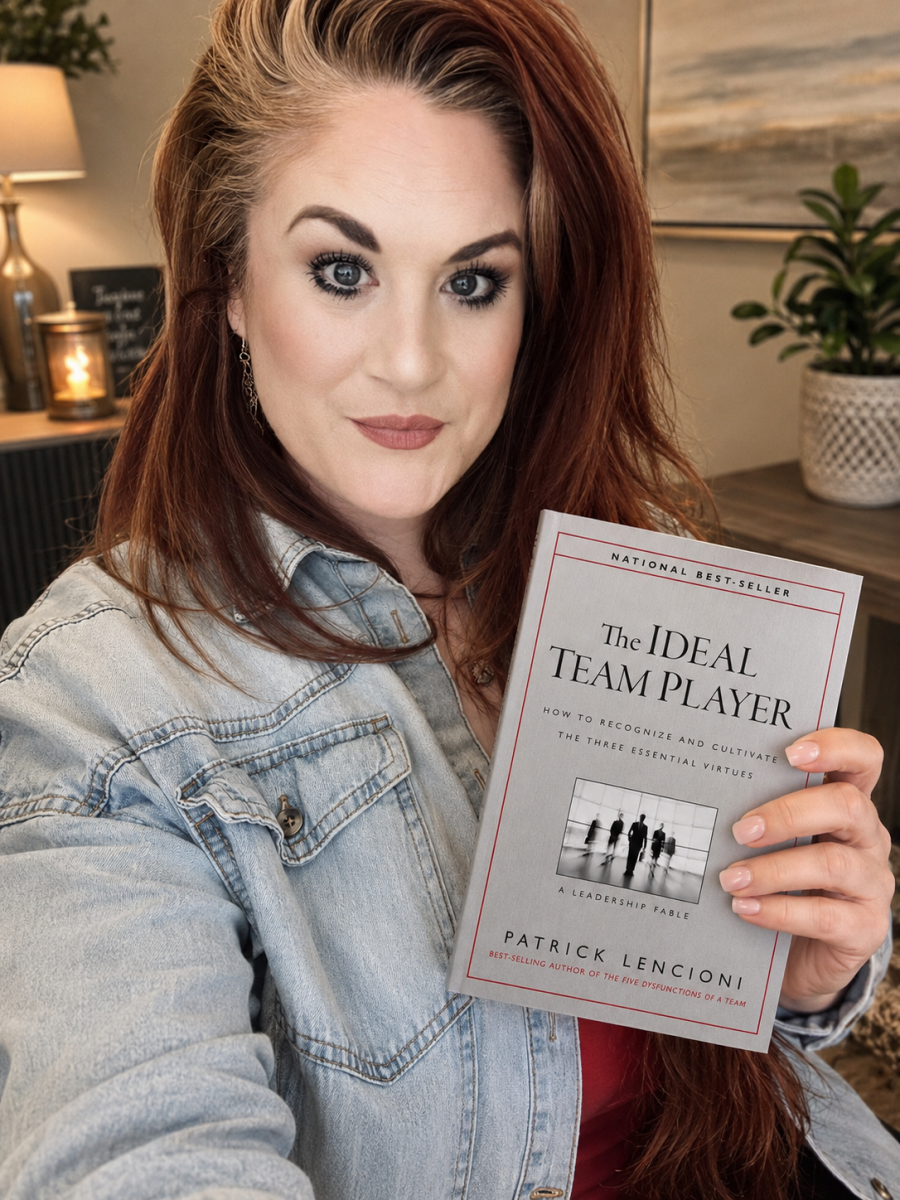
The Ideal Team Player completely changed the way I think about team dynamics and what truly makes someone successful in a collaborative environment. It is one of the books that has had the most influence on how I lead and work with others. The concepts are simple, practical, and incredibly powerful. Lencioni shifts the conversation from credentials to character and demonstrates that the most effective team members aren't necessarily the most talented, but rather the ones who are humble, driven, and emotionally intelligent. It's one of those rare books that changes the way you evaluate both yourself and the teams around you.
My Review
What I love most about The Ideal Team Player is that it challenges the way we define a great employee or teammate. In a world where we often focus on experience, education, and technical skills, Lencioni argues that the people who make the greatest impact possess three simple but powerful qualities: they are humble, hungry, and smart.
The concept of being humble was perhaps the most impactful for me. Humble people are willing to put the success of the team ahead of their own recognition. They share credit freely, seek input from others, and aren't driven by ego. Hungry team members bring energy and initiative. They don't wait to be told what to do; they take ownership, look for ways to contribute, and are genuinely invested in the team's success. Finally, smart refers to emotional intelligence. The ability to read a room, build relationships, communicate effectively, and understand how your actions impact others.
Rather than presenting a list of leadership theories, Lencioni weaves these principles into an engaging story that kept me invested while illustrating how they show up in everyday workplace situations. This book has influenced how I lead, collaborate, and evaluate talent. Its message is simple, memorable, and incredibly relevant for anyone who wants to build stronger teams and stronger leaders.
Multifamily Takeaways
1. Humility is a Leadership Strength, Not a Weakness
One of the book's most powerful messages is that humility isn't about thinking less of yourself but rather thinking of yourself less. In an industry where success relies on so many people working toward a common goal, humility may be one of the most important leadership traits we can develop. Whether you're working with onsite teams, ownership groups, vendors, clients, or corporate partners, humility creates space for productive conversations and stronger outcomes. It encourages curiosity over defensiveness and partnership over hierarchy.
2. Hunger Drives Results
The most successful multifamily professionals are rarely the ones doing only what's required. They're the individuals who look for opportunities to improve processes, solve problems, support their teams, and create better outcomes for residents, clients, and colleagues. Whether it's a leasing consultant making one more follow-up call, a maintenance technician addressing an issue before it becomes a resident complaint, or a leader continuously looking for ways to improve performance, hungry people are driven by a desire to contribute and make an impact. They don't wait to be asked, they take initiative. That mindset creates momentum, fuels growth, and ultimately drives results.
3. People Smarts Are a Competitive Advantage
Multifamily is ultimately a people business. Whether you're interacting with residents, prospects, vendors, owners, or team members, emotional intelligence is critical. The ability to communicate effectively, navigate difficult conversations, and build genuine relationships often has a greater impact on success than technical expertise alone.
4. Hire for Character, Train for Skill
One of the biggest lessons I took away from this book is that technical skills can be taught, but humility, drive, and emotional intelligence are much harder to develop. We can teach someone how to use a property management system, execute a marketing strategy, or follow an operational process. It's far more difficult to teach someone to be self-motivated, put the success of the team ahead of their own ego, or navigate relationships with empathy and emotional intelligence. In multifamily, hiring individuals who naturally embody these traits can have a lasting impact on team culture, resident experience, and overall performance. Skills can be developed over time, but character often determines whether someone will truly thrive.
Get Your Copy!
Ready to transform your habits? Purchase this book and support our community.
Buy on Amazon View AMA Book Nook Library - opens in a new tab - opens in a new tab - opens in a new tabThis page contains affiliate links. If you purchase through these links, AMA may earn a commission at no additional cost to you.
For questions about the Book Nook: Where Multifamily Minds Meet, please contact hstpaul@azmultihousing.org.